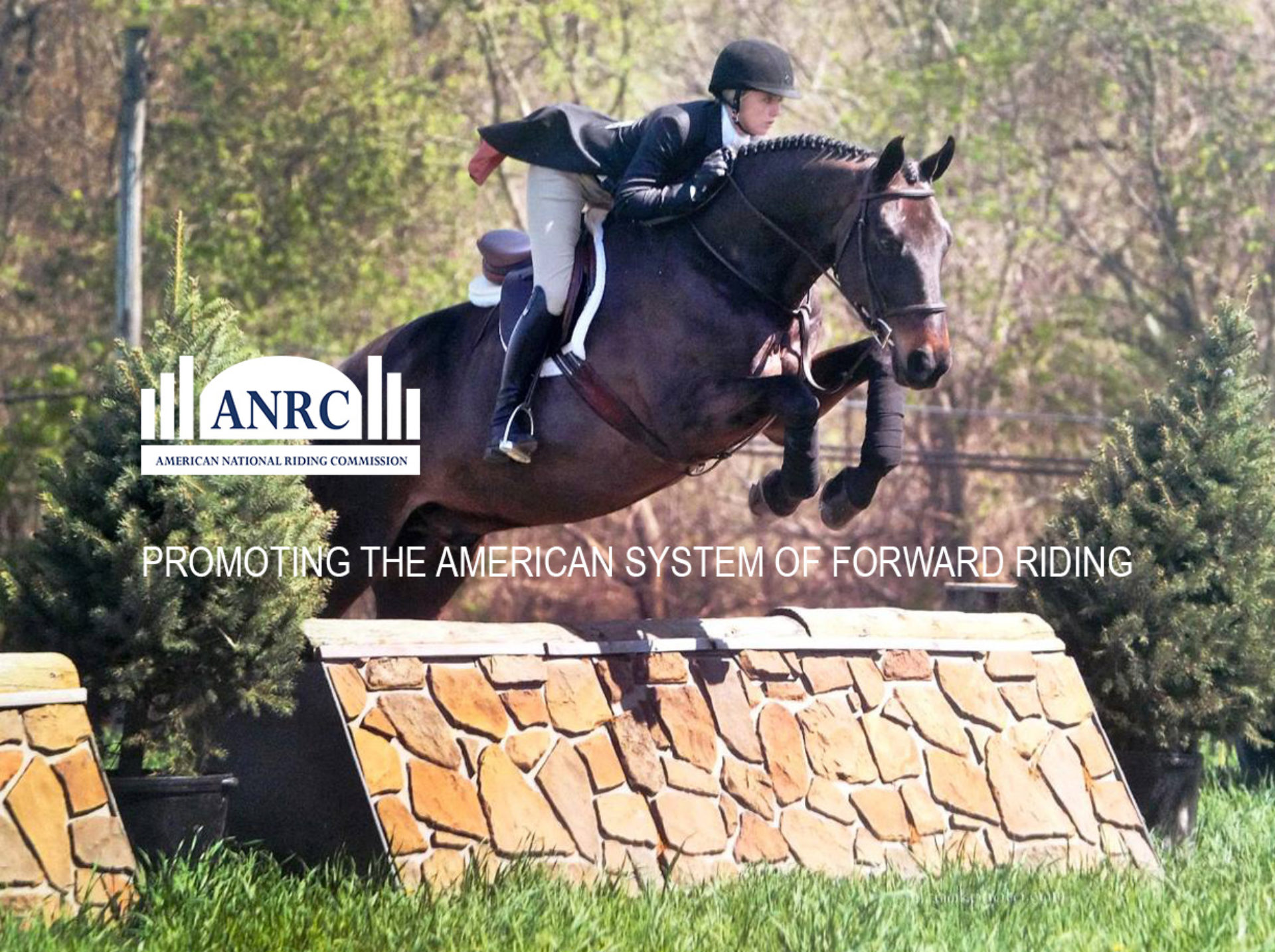
ANRC is an affiliate of the United States Hunter Jumper Association (USHJA) and an educational partner of the United States Equestrian Federation (USEF). The primary goal of ANRC is to promote the American System of Forward Riding and to promote the highest quality of educated riding and related services within schools, colleges, universities, and public or private riding establishments. Each year ANRC offers:
- The ANRC National Equitation Championships to enhance the collegiate, junior, and adult amateur riding experience
- A DVD series that provides a step-by-step guide on how to implement forward riding concepts for both horse and rider
- A Forward Riding Proficiency Certificate Program and continuing education grant opportunities
- Opportunities to work with other organizations whose purposes are in accord with those of the ANRC
ANRC competitive programs focus on developing excellence in riding skills, knowledge of riding theory, and the horse’s performance. ANRC educational materials provide visual representations of good performances, as well as specific programs and schooling techniques for the rider to follow. The DVD series, “The American System of Forward Riding: Life Lessons Learned with Horses” was produced by R. Scot Evans and Shelby French to guide the rider through the American System of Forward Riding. This resource as well as other resources are available to riding enthusiasts at all levels, instructors, and trainers.
ANRC NATIONAL EQUITATION CHAMPIONSHIPS
The ANRC National Equitation Championships, traditionally held in April, is an invitational competition for collegiate, junior, and adult amateur teams. Each group is judged separately. In each championship, teams may compete in a 3′ or 2’6 division. The competition is judged and scored on equitation skills and sound horsemanship practices in four phases:
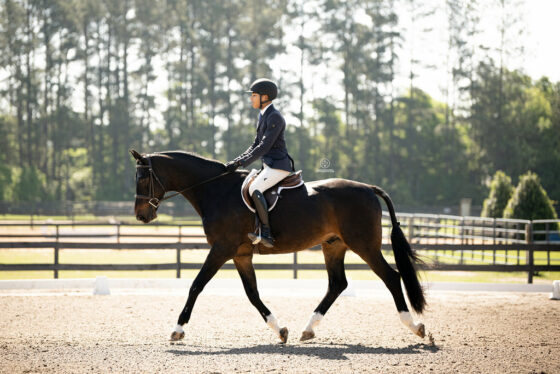
- A Flat Phase (includes USEF Hunter Equitation Tests) worth 35% of the total score
- A Hunter Seat Equitation Medal Course worth 30% of the total score
- An Equitation Derby Course (natural jumps in a field) worth 30% of the total score
- A Written test based on riding theory and a selected stable management topic worth 5% of the total score
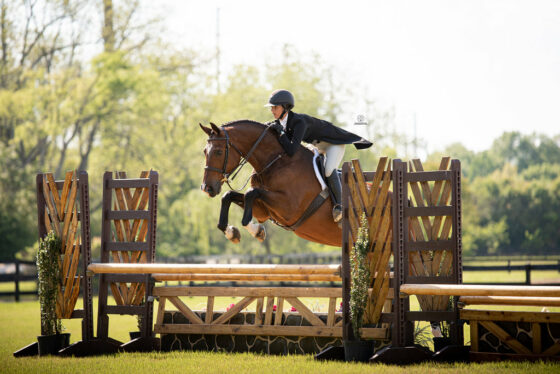
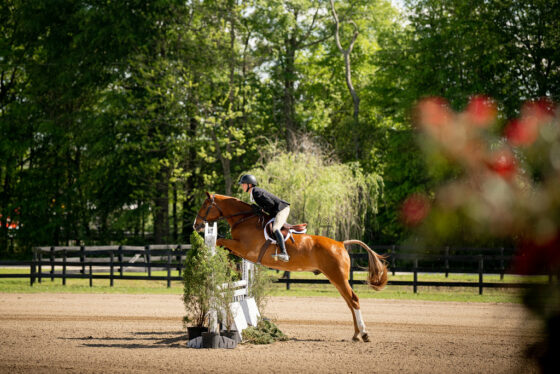
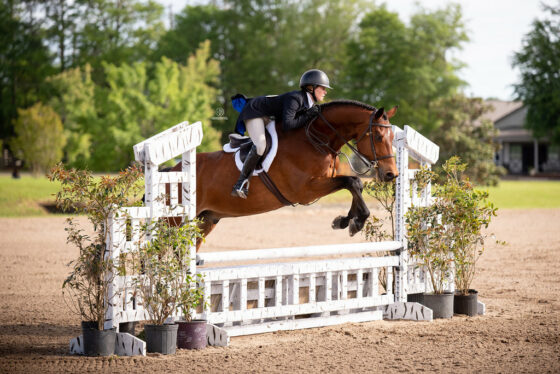
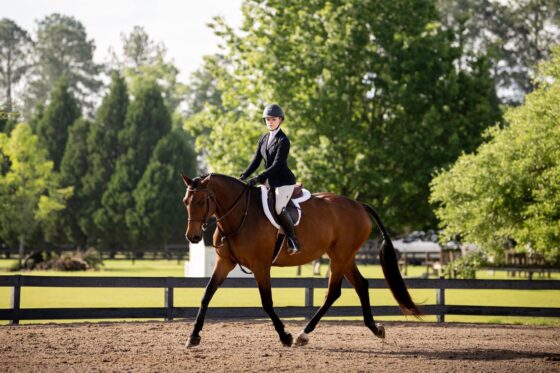
Participants may compete on a school-owned horse, a leased horse, or a privately owned horse. The highest score in each phase will be awarded to the rider who demonstrates excellence in equitation and produces a smooth, cooperative performance exemplifying quality hunter movement both on the flat and over fences. Throughout the year, coaches are encouraged to incorporate forward riding theory and sound stable management practices to improve the rider’s mounted and unmounted horsemanship skills. Students are encouraged to set personal goals as well as team goals, study ANRC materials, practice fundamentals, and apply knowledge. To Learn more about the ANRC Championships Event visit the Championships Overview.
BRIEF HISTORY
Established in 2006, ANRC fosters the mission of the former Affiliated National Riding Commission, which existed as part of the American Alliance for Health, Physical Education, Recreation, and Dance (AAHPERD) for more than 60 years. ANRC’s educational system is based on the teachings of Captain Vladimir Littauer, who came to the United States in the thirties and established a riding school and is author of the book Commonsense Horsemanship. His progressive forward riding system influenced many professional riders and trainers, including Jane Dillon, Joe Fargis, Lendon Gray, Pam Baker, and Bernie Traurig.